One of the most magical wildlife experiences in Kefalonia is the chance to see endangered loggerhead turtles in the wild. From the busy harbour of Argostoli to the sandy nesting beaches of the south coast, Kefalonia is one of the easiest places in Europe to reliably encounter these remarkable creatures — and Korianna House is perfectly positioned for exploring both.
For wildlife lovers, seeing a loggerhead turtle is often one of the highlights of visiting the island. I’m frequently asked what the chances are of spotting one and, as long as you are prepared to visit Argostoli relatively early in the morning, the answer is: surprisingly high.
Guide
Argostoli Harbour Turtles
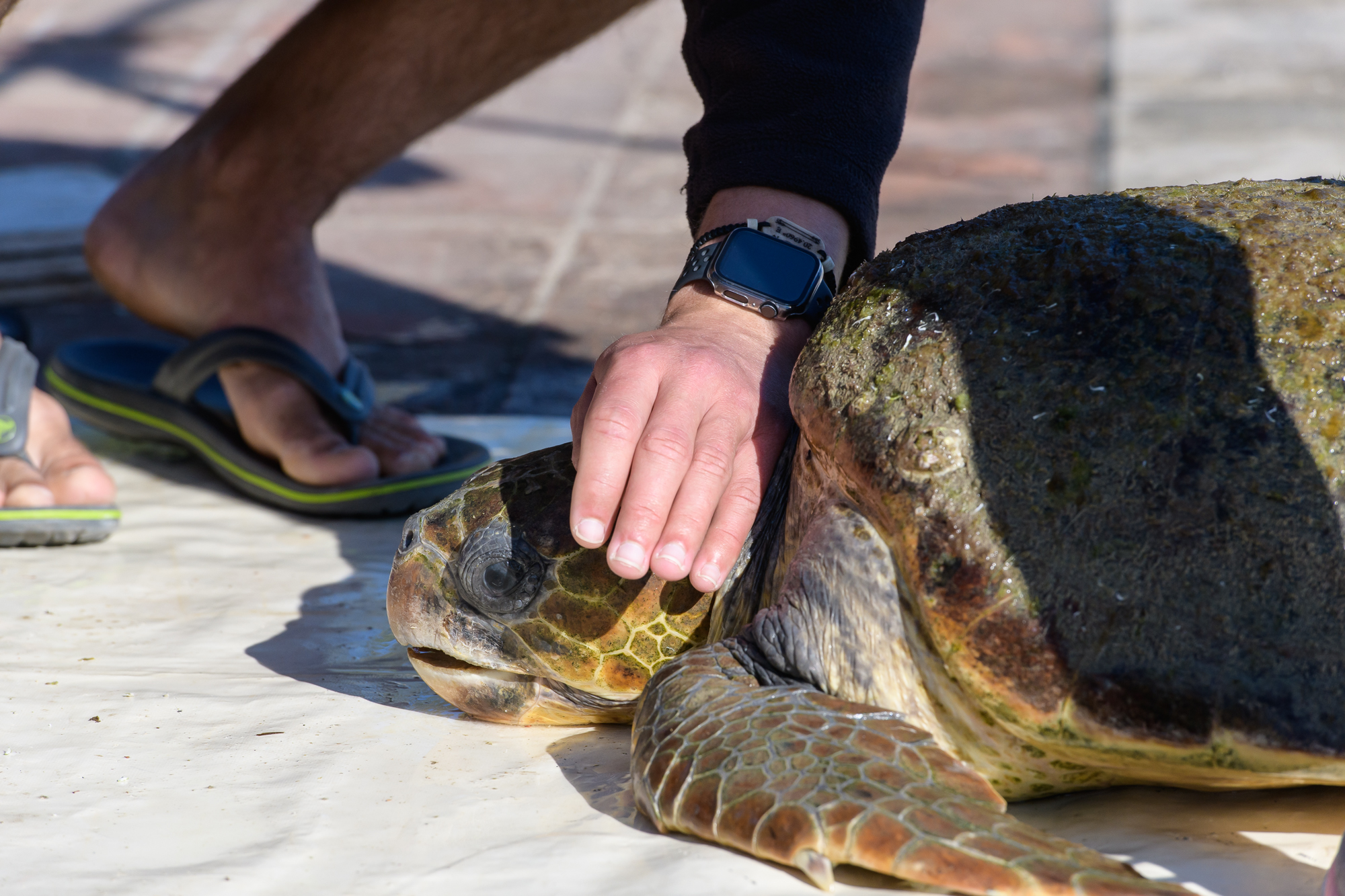
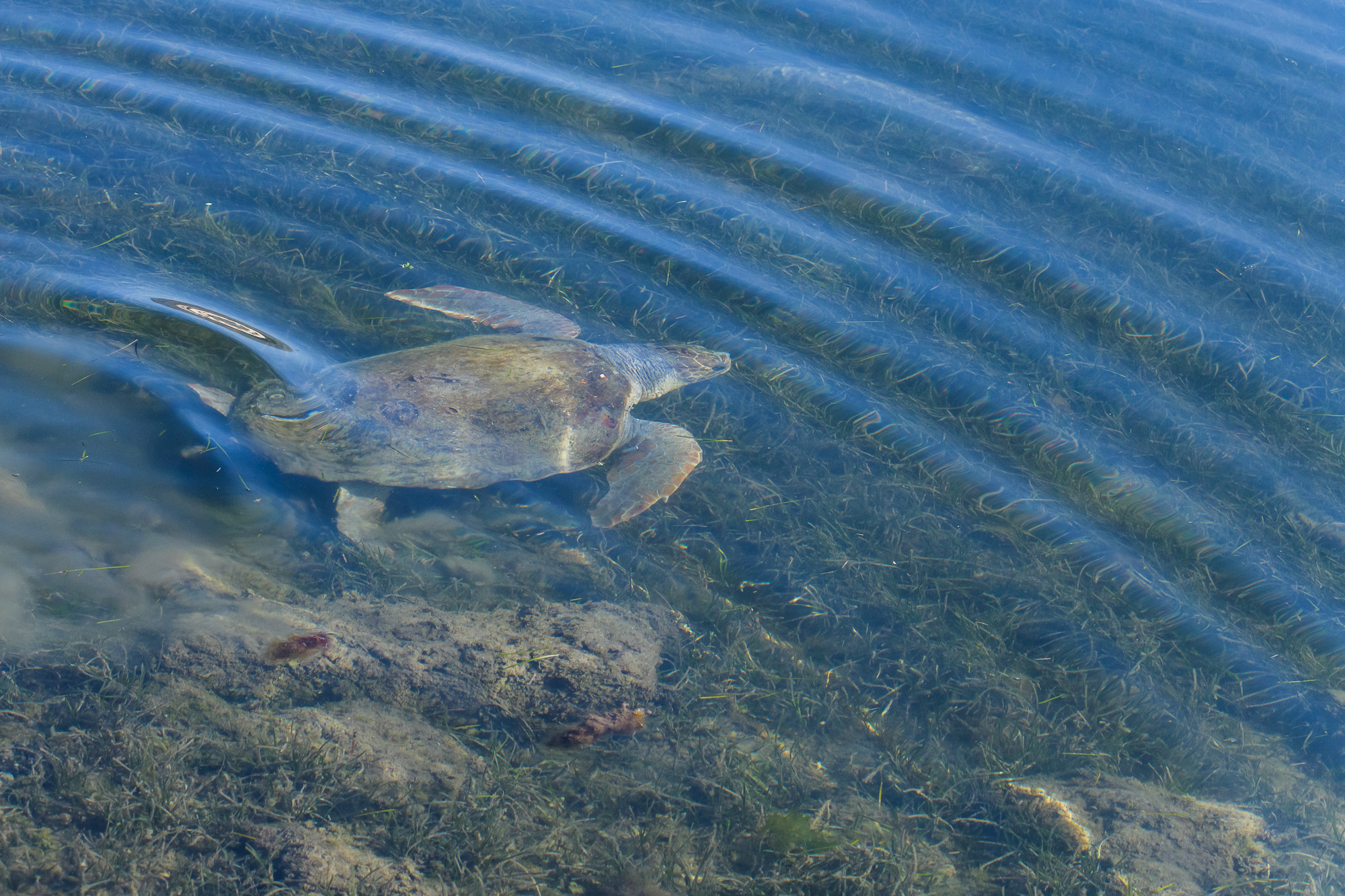
The easiest place to see turtles in Kefalonia is Argostoli Harbour, particularly around the harbour front close to Alpha Bank. Early in the morning, fishing boats return with their catch and the fishermen clean and prepare fresh fish on the quayside. The offcuts thrown into the water attract turtles, which have learned this is an easy source of food.
You will often see crowds gathering around the boats, pointing excitedly as a turtle surfaces nearby. Some of these turtles are regular harbour residents and can even be recognised individually by local conservation groups.
While this makes Argostoli one of the best places in Europe to reliably see loggerhead turtles from the shore, conservationists also have concerns. Fish scraps are not a natural food source for turtles, which would usually feed on crustaceans and molluscs, and regular interaction with boats and fishing equipment increases the risk of injury.
Even so, watching a turtle surface quietly beside the harbour wall remains a memorable experience.
Guide
Turtle Mating Season in Kefalonia
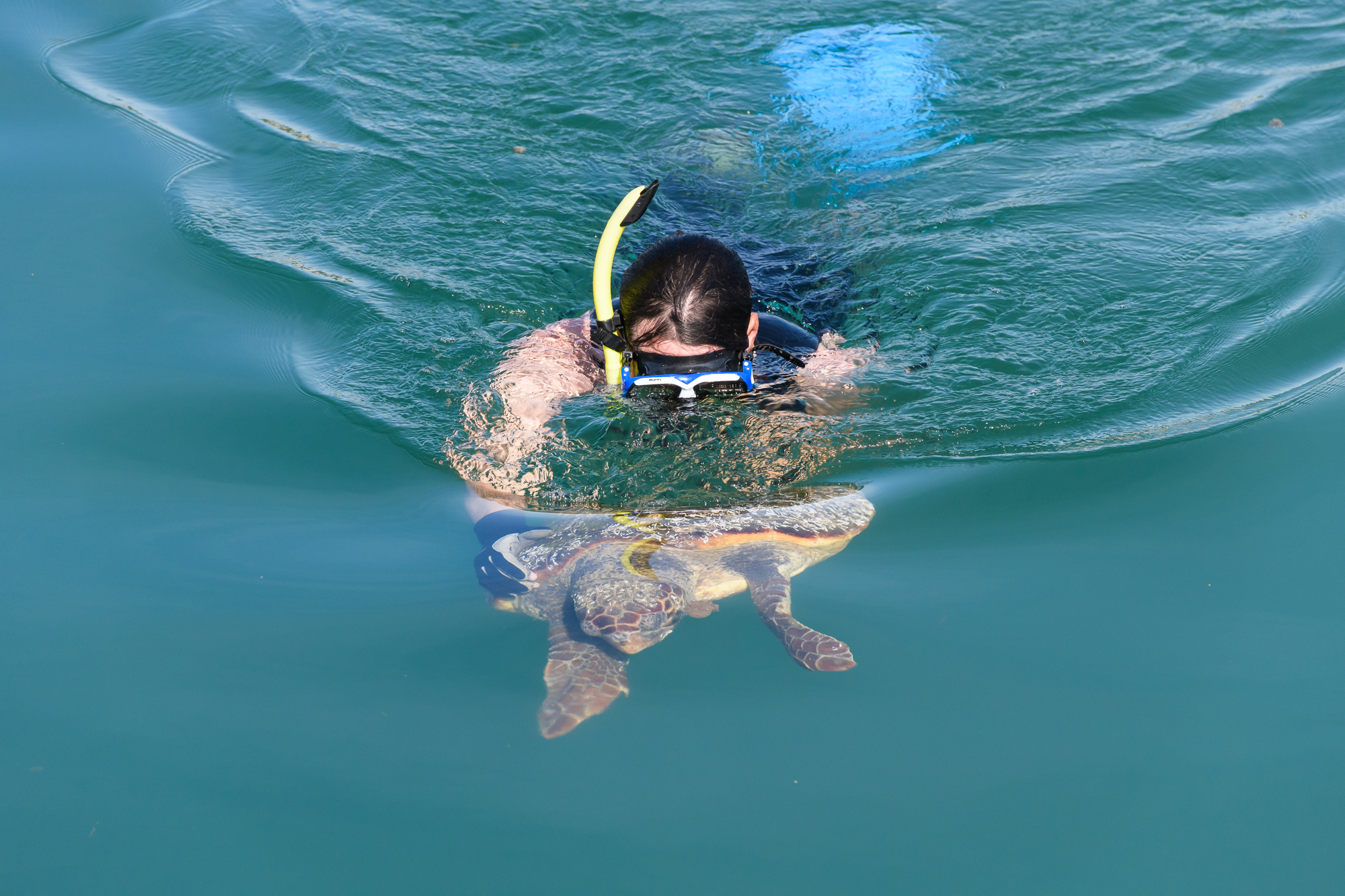
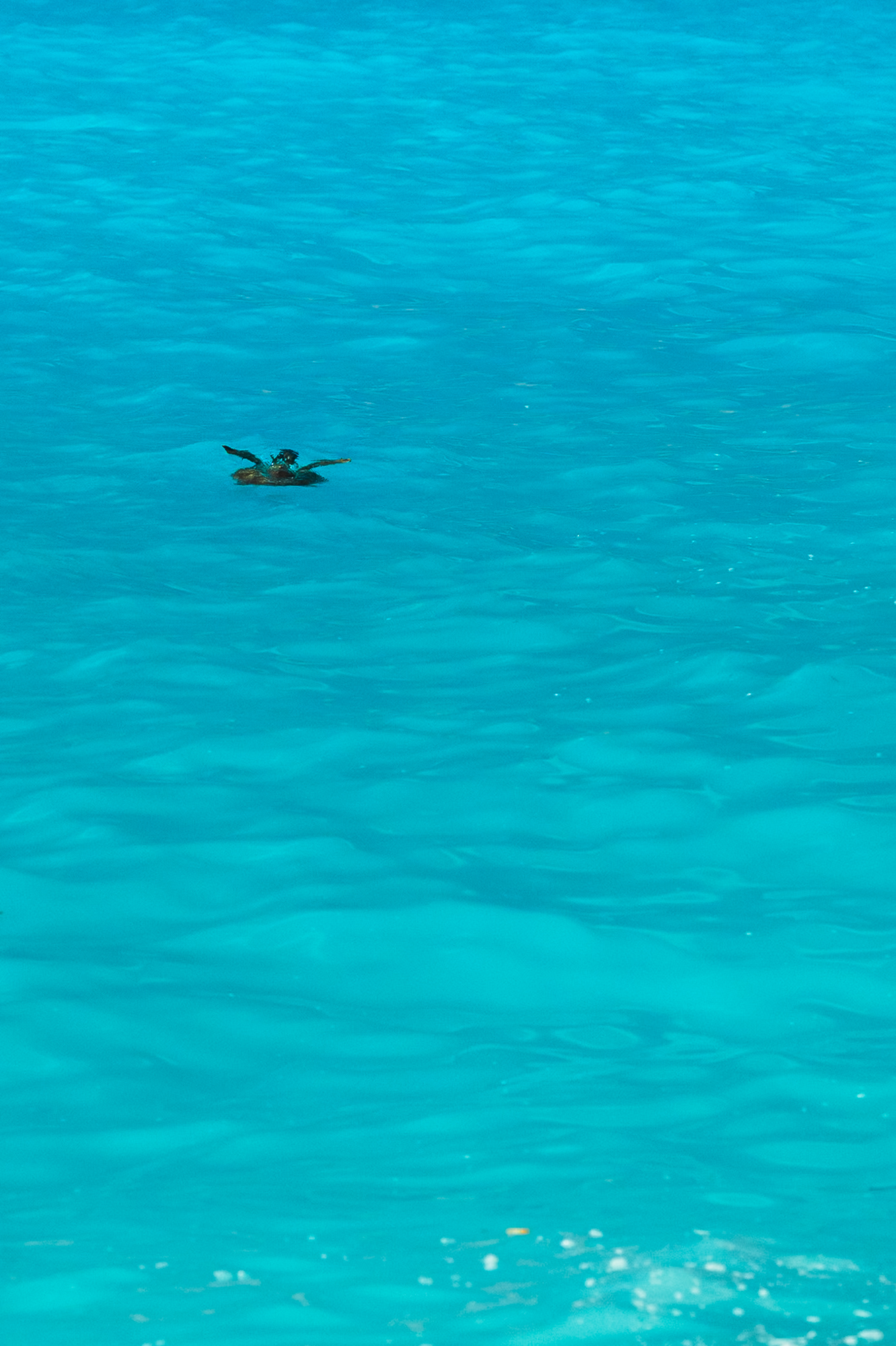
During spring, particularly from April to June, Argostoli Harbour also becomes a temporary gathering place for dozens of loggerhead turtles during the mating season. If you walk along the harbour front or cross the Drapano Bridge while watching the water carefully — binoculars help — there is every chance you may witness turtles mating.
Look for two heads together at the surface and movement in the water below. If you are lucky, you may be watching the beginning of the next generation of Kefalonia’s turtles.
Although many turtles migrate later in the year, often towards North Africa or the northern Adriatic, some remain in the harbour throughout the year, attracted by the shelter and food availability.
Guide
Turtle Nesting Beaches in Kefalonia
For many visitors, however, the real holy grail is seeing hatchlings emerge from a nest.
The island’s most important nesting beaches are the long sandy stretches on the south coast, particularly around Mounda, Kaminia and Skala. Turtles also nest on beaches closer to Korianna House, including Ammes and Avithos, while further nesting activity takes place on parts of the Paliki peninsula, especially around Megas Lakkos near Lixouri.
Korianna House is ideally situated for exploring many of these beaches.
The first nests usually begin appearing in early to mid May and an early morning walk on the beach at this time of year is a wonderful opportunity to look for the distinctive tracks left behind by nesting females during the night.
Guide
How Loggerhead Turtles Nest
Remarkably, female loggerhead turtles return to lay their eggs on the same beaches where they themselves hatched many years earlier, having “imprinted” the location as hatchlings.
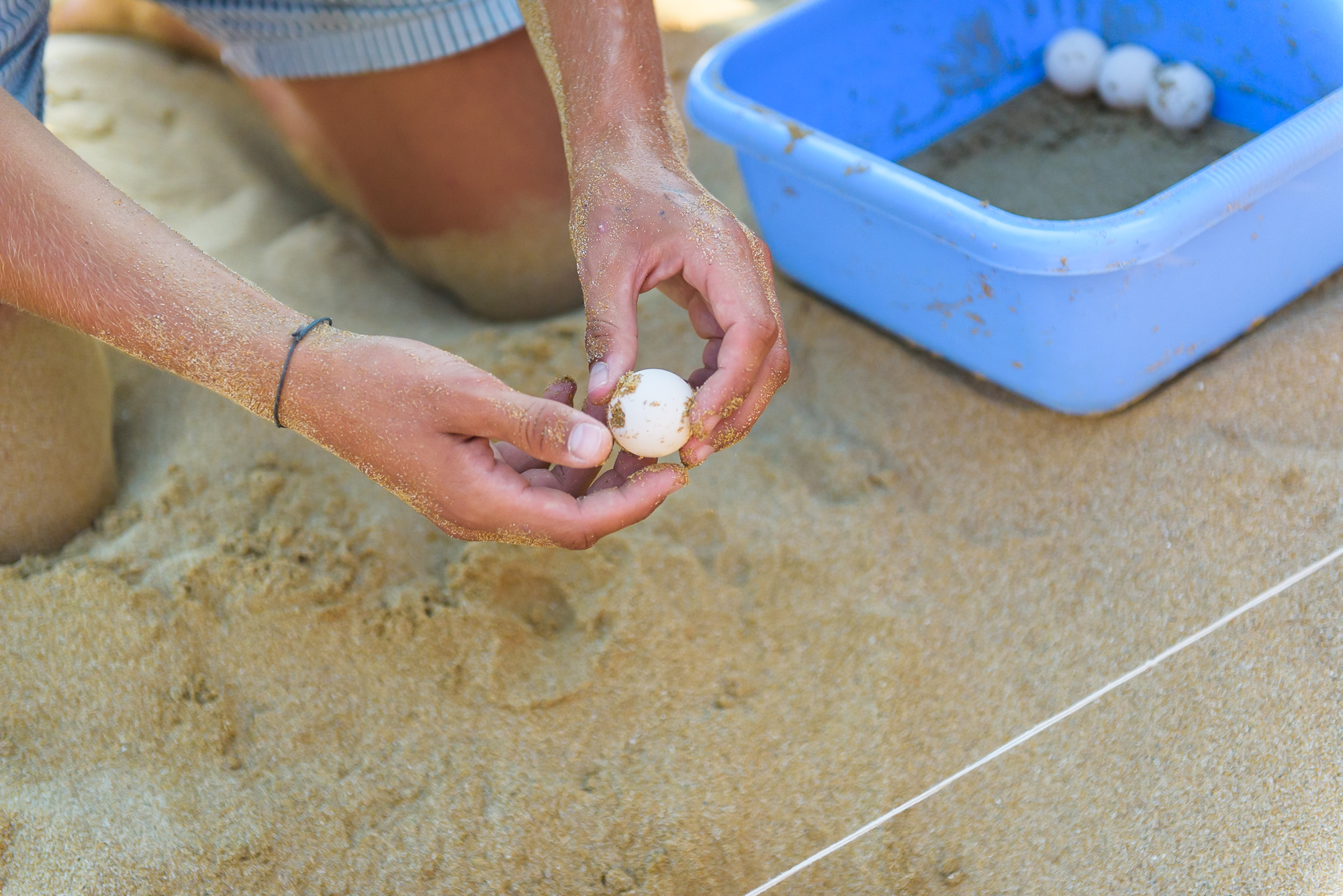
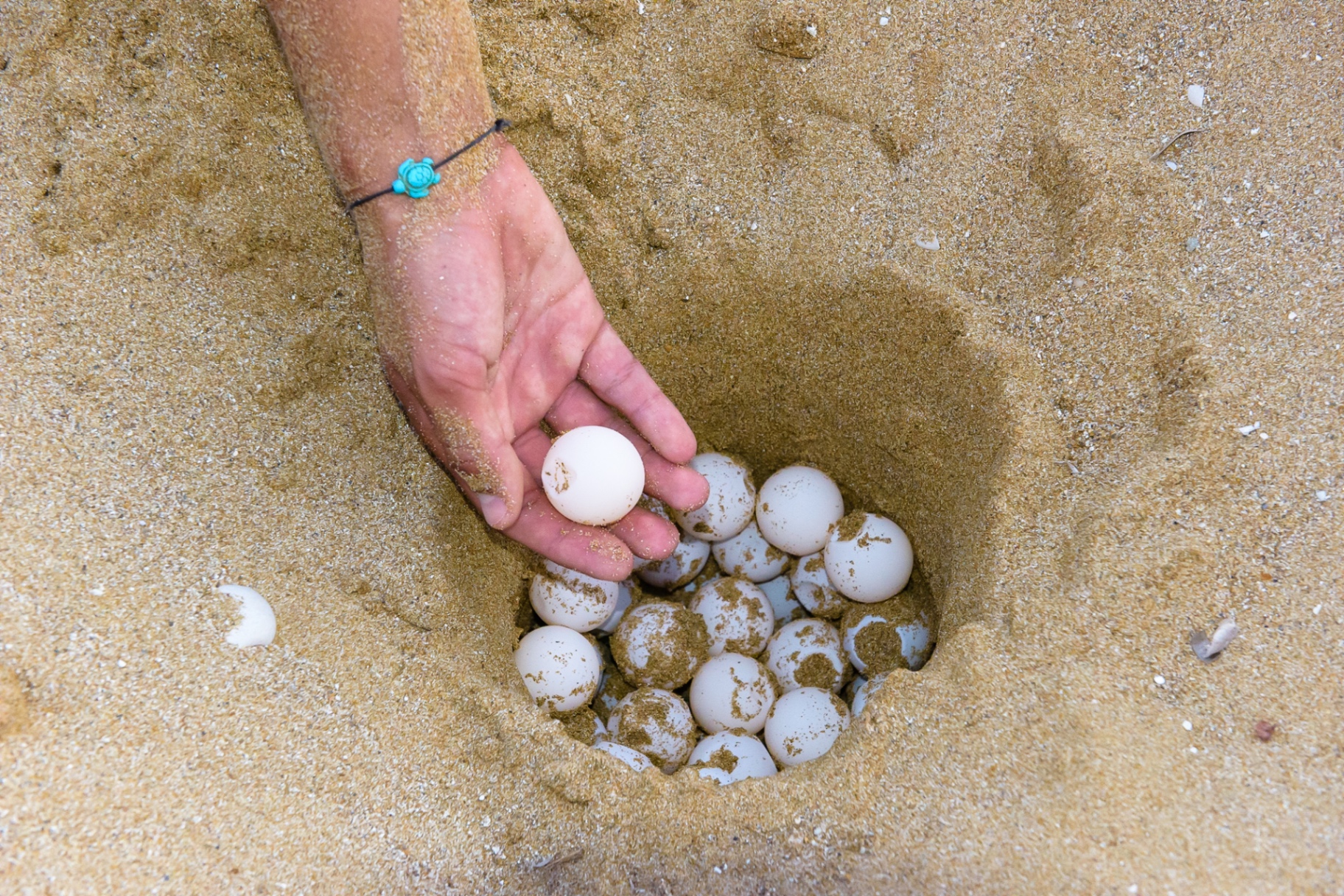
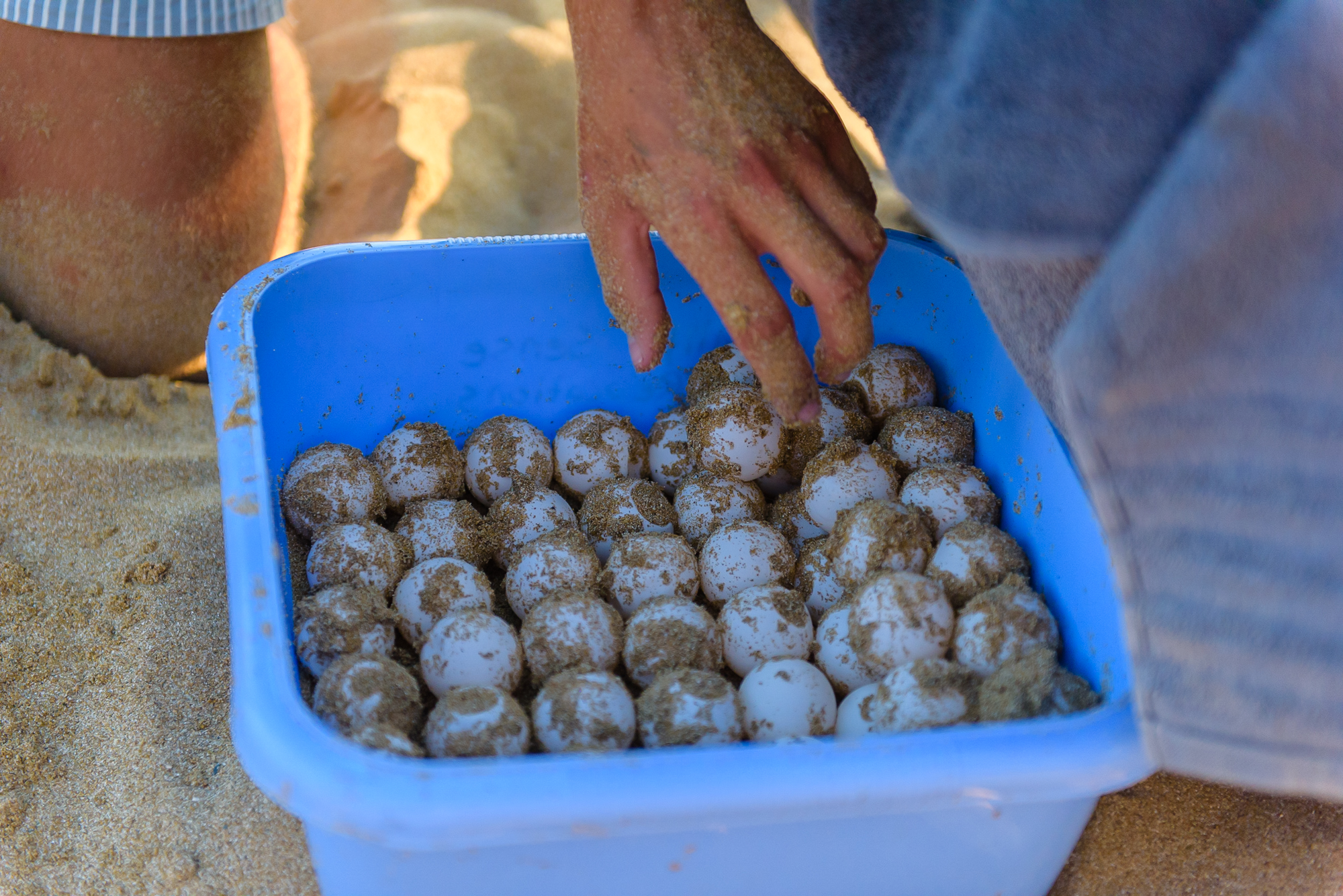
They begin breeding at around 15–25 years old and typically return to nest every two or three years. During a nesting season, a female may lay up to six clutches of eggs, with each nest containing around 90 ping-pong-ball-sized eggs.
The eggs incubate beneath the sand for approximately 45–60 days, depending largely on sand temperature, before the hatchlings emerge.
The temperature of the sand is also critical because it determines the sex of the hatchlings. Warmer sand generally produces more females, while cooler sand produces more males.
Guide
Wildlife Sense and Turtle Conservation
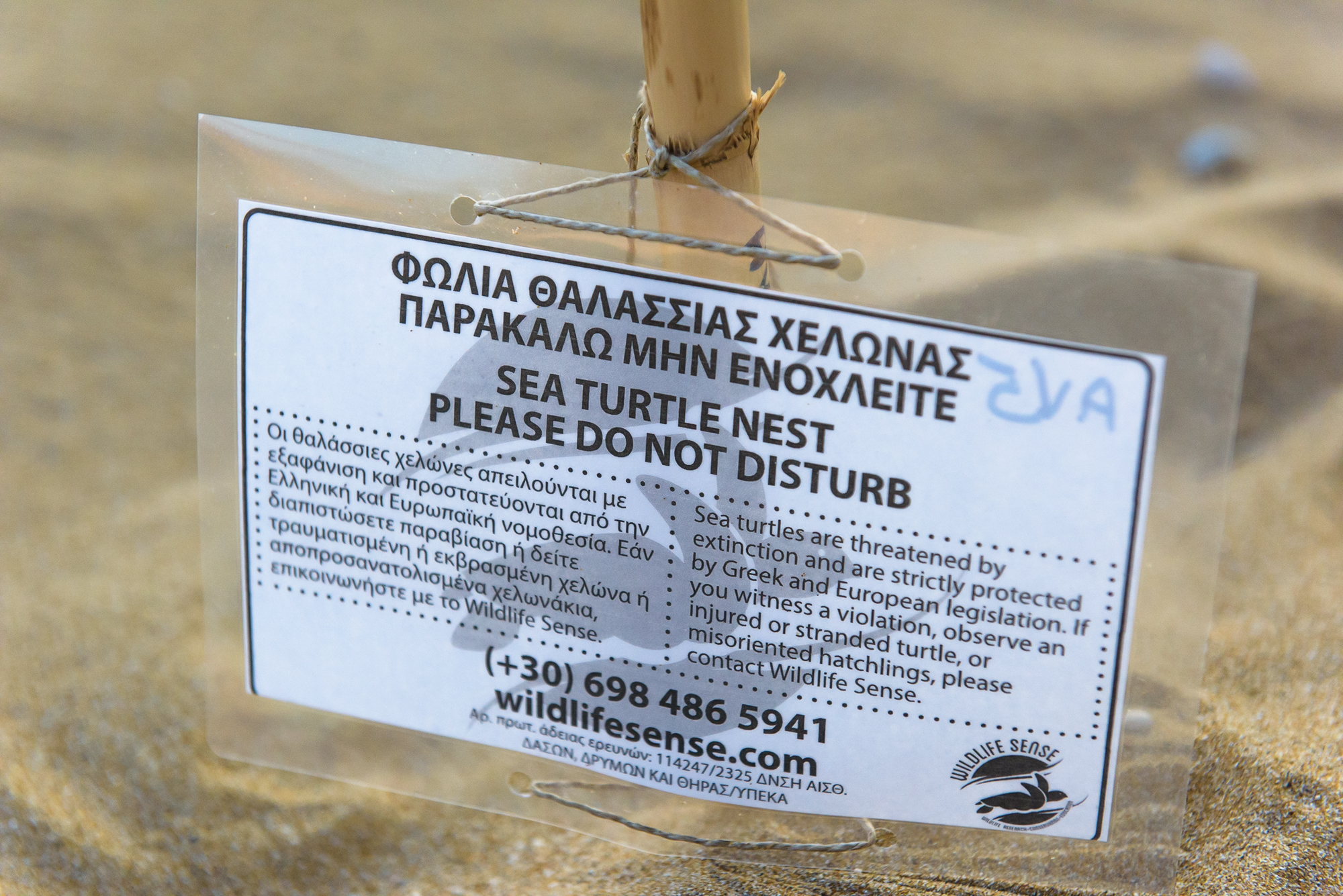
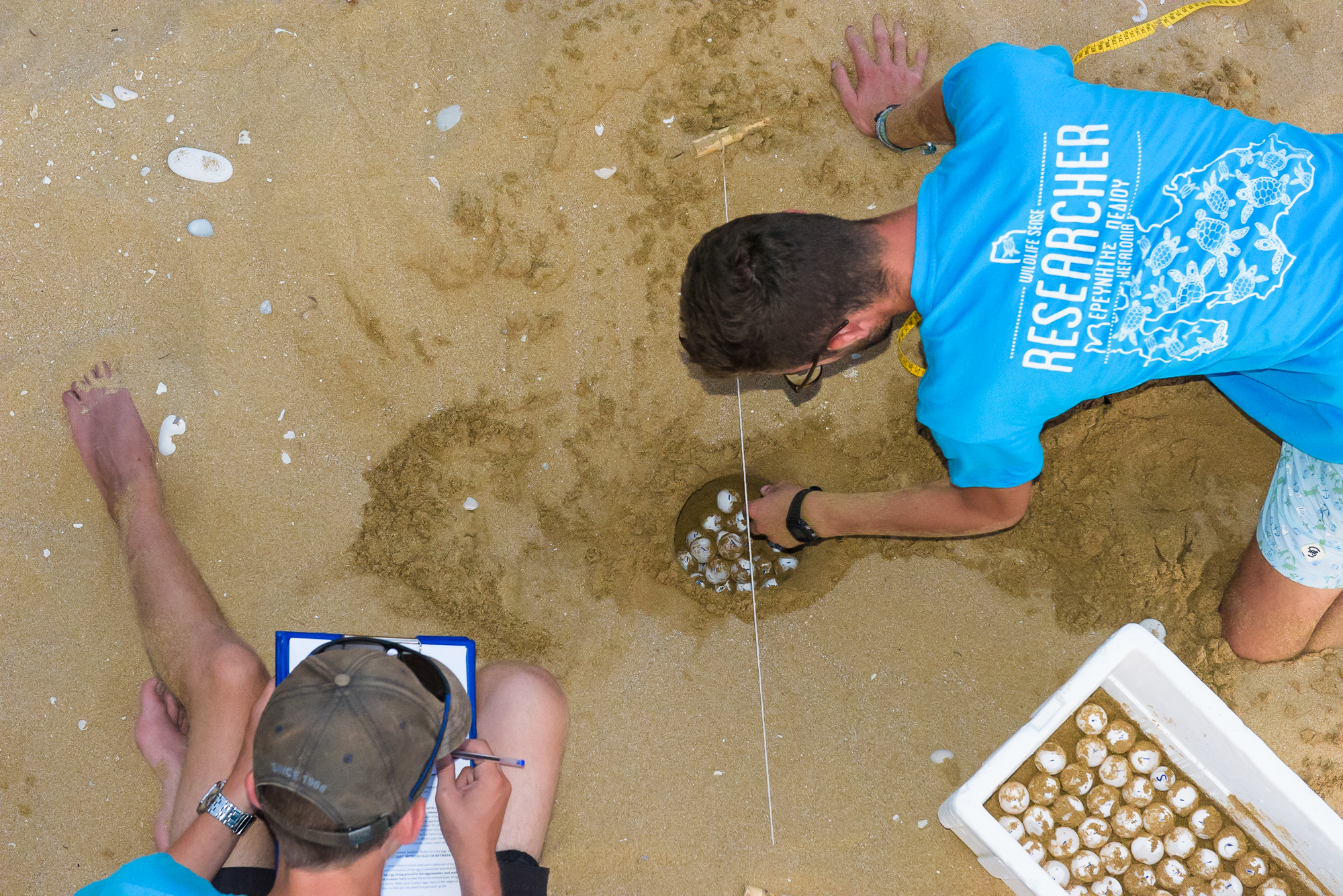
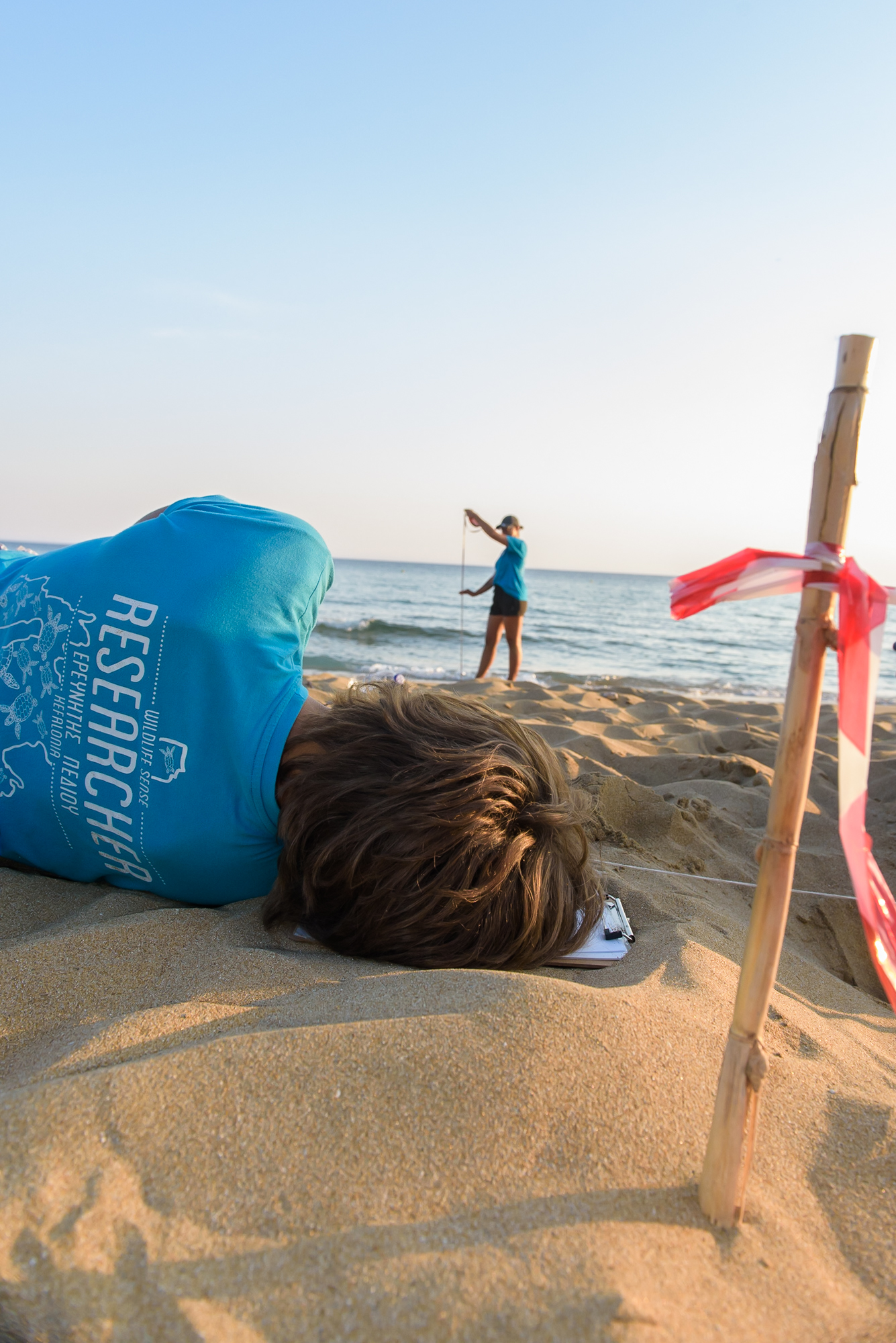
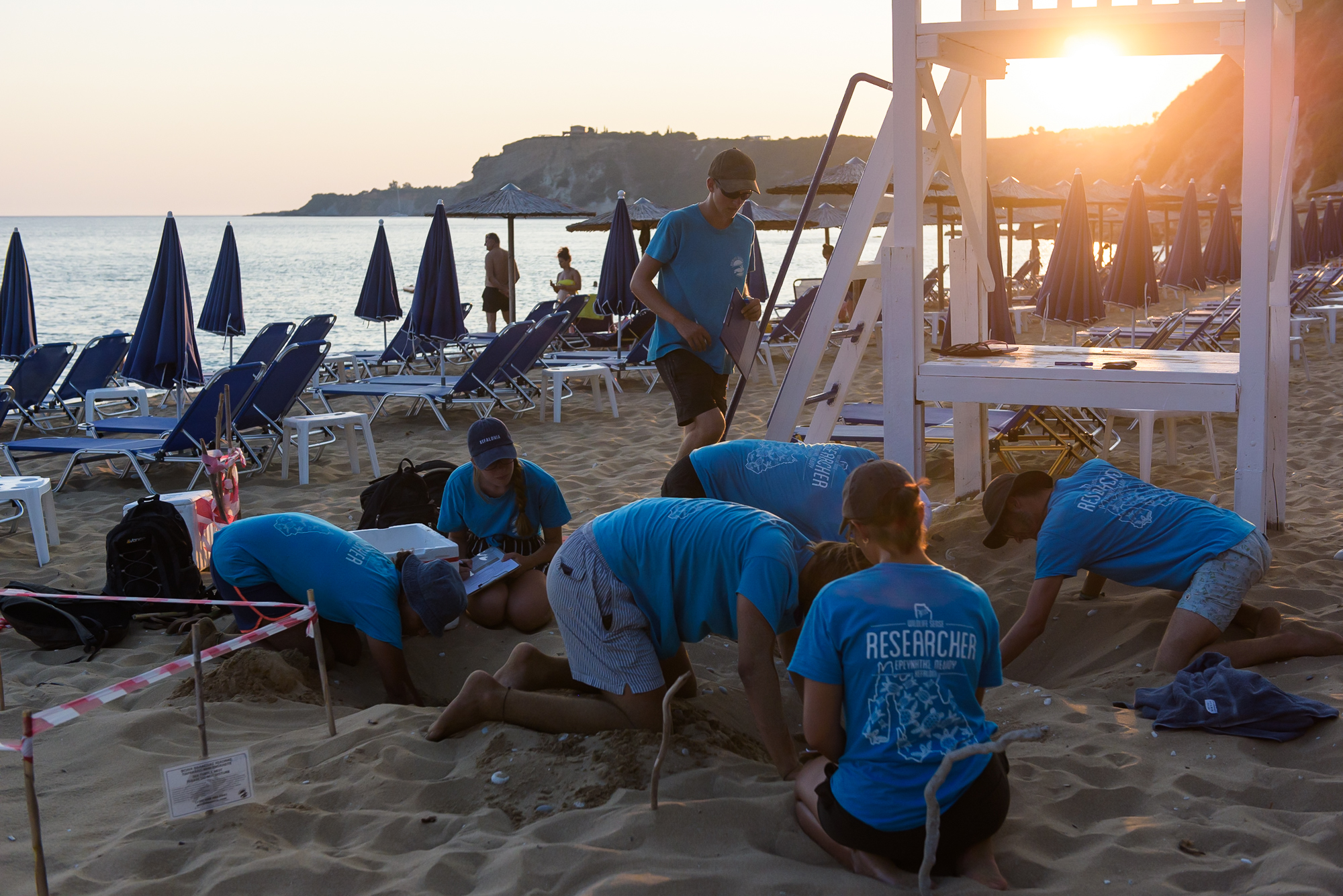
Local conservation organisation Wildlife Sense does extraordinary work protecting turtles on Kefalonia, supported by volunteers from around the world.
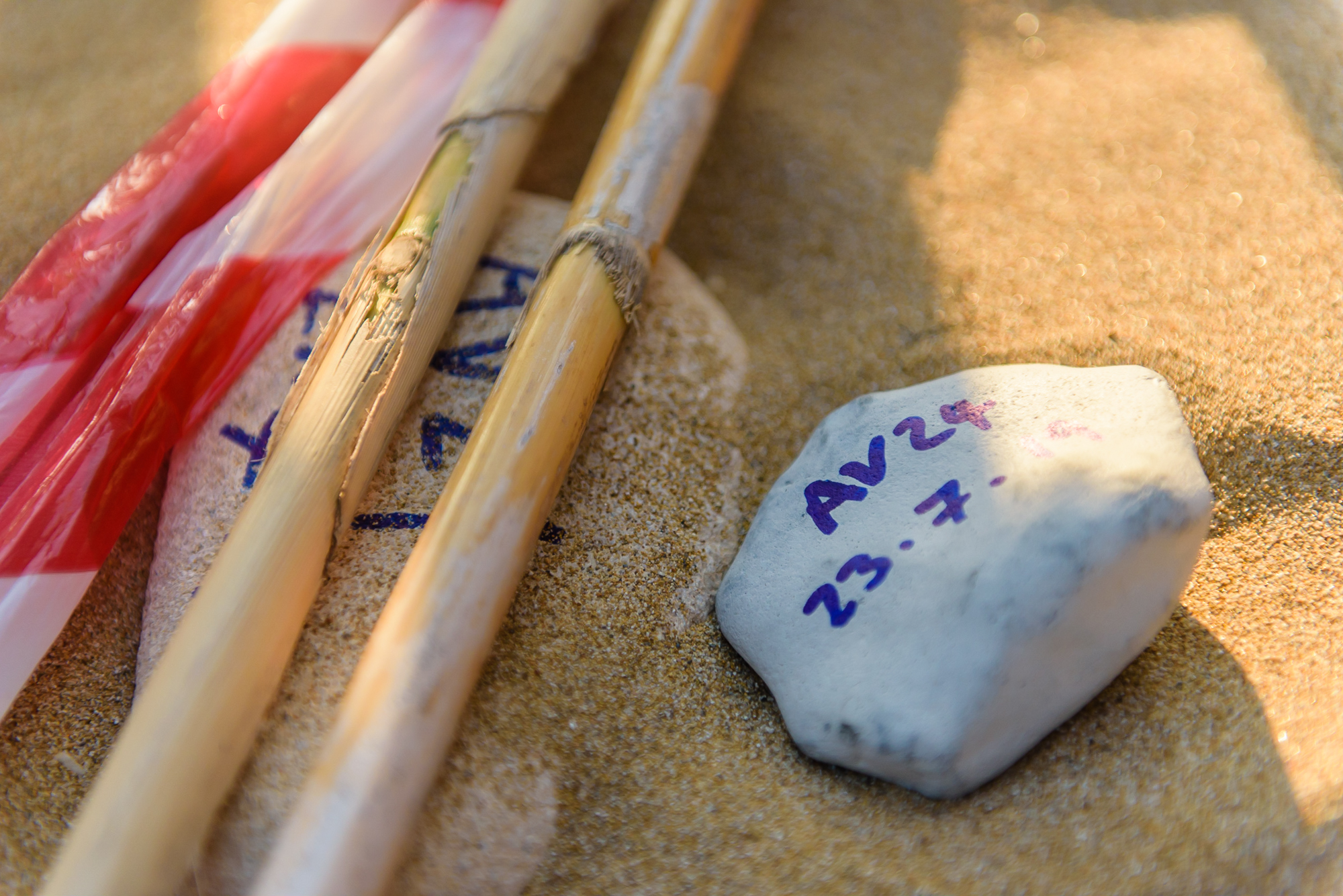
Each morning during nesting season, teams patrol the beaches looking for fresh nests, which are then carefully marked and protected. Occasionally turtles choose unsafe nesting locations too close to the sea or in areas of heavy footfall — I have even seen nests laid between sunbeds — and in these cases conservationists may carefully relocate the eggs to a safer area.
This process is incredibly delicate because the replacement nest must be recreated at exactly the same depth and conditions as the original.
Conservationists also work to reduce threats from artificial lighting, which can confuse hatchlings emerging at night. Normally the hatchlings instinctively head towards the brightest horizon — historically the moonlit sea — but lights from tavernas, roads and hotels can disorientate them and lead them inland instead.
Seeing the dedication of the volunteers, some of whom even sleep on the beaches while monitoring nests, gives a real appreciation of how much work goes into protecting these animals.
Guide
Watching Hatchlings Emerge
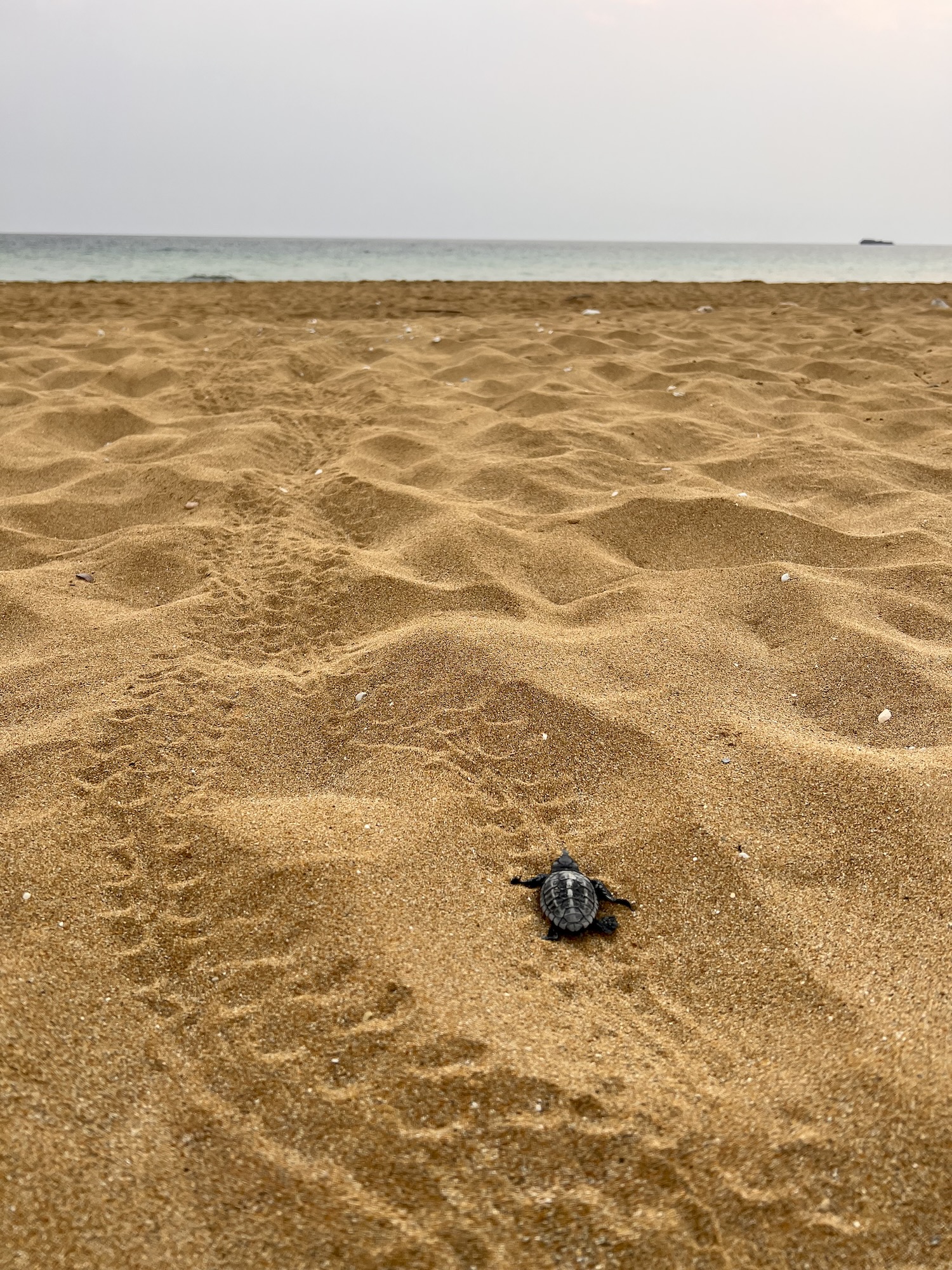
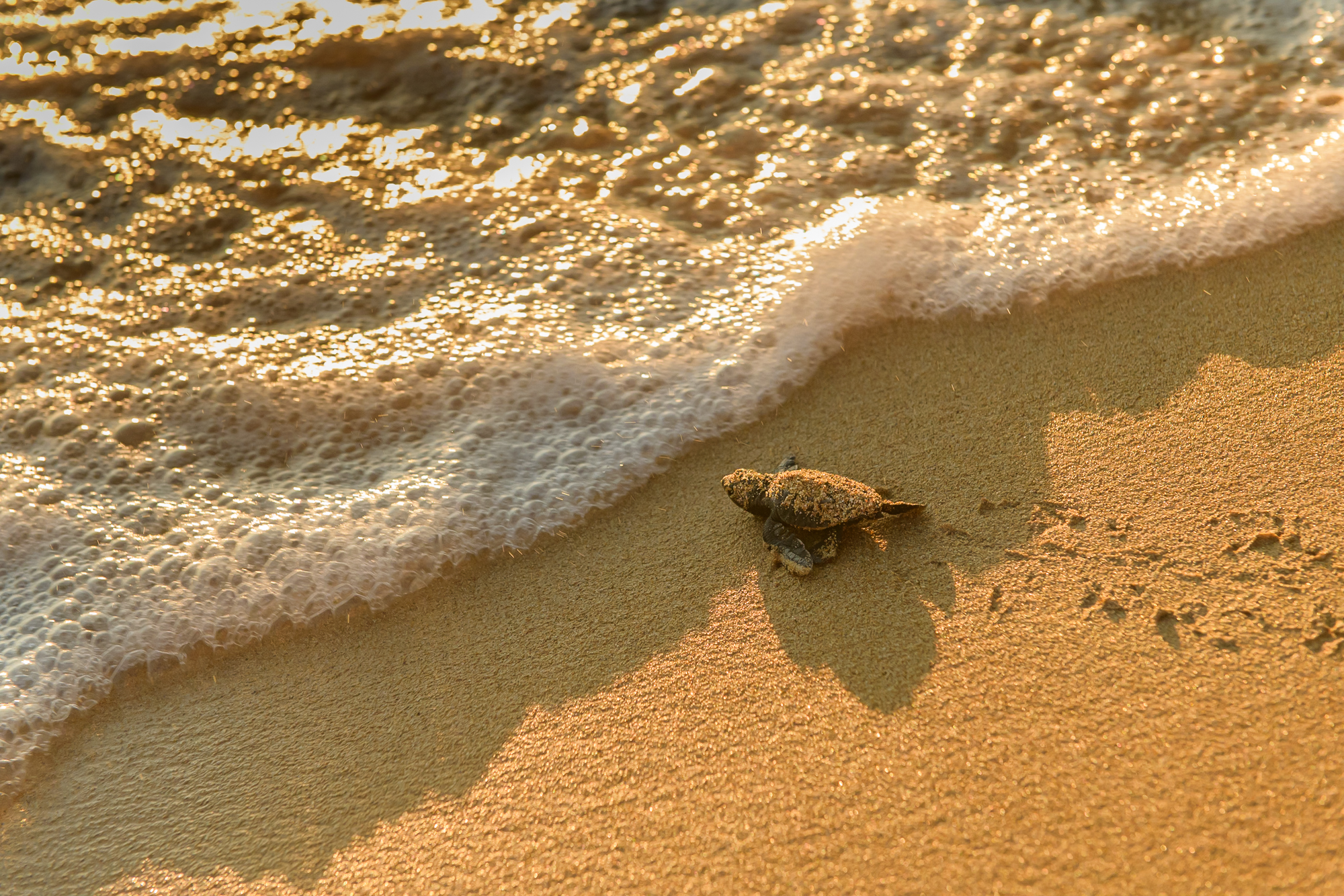
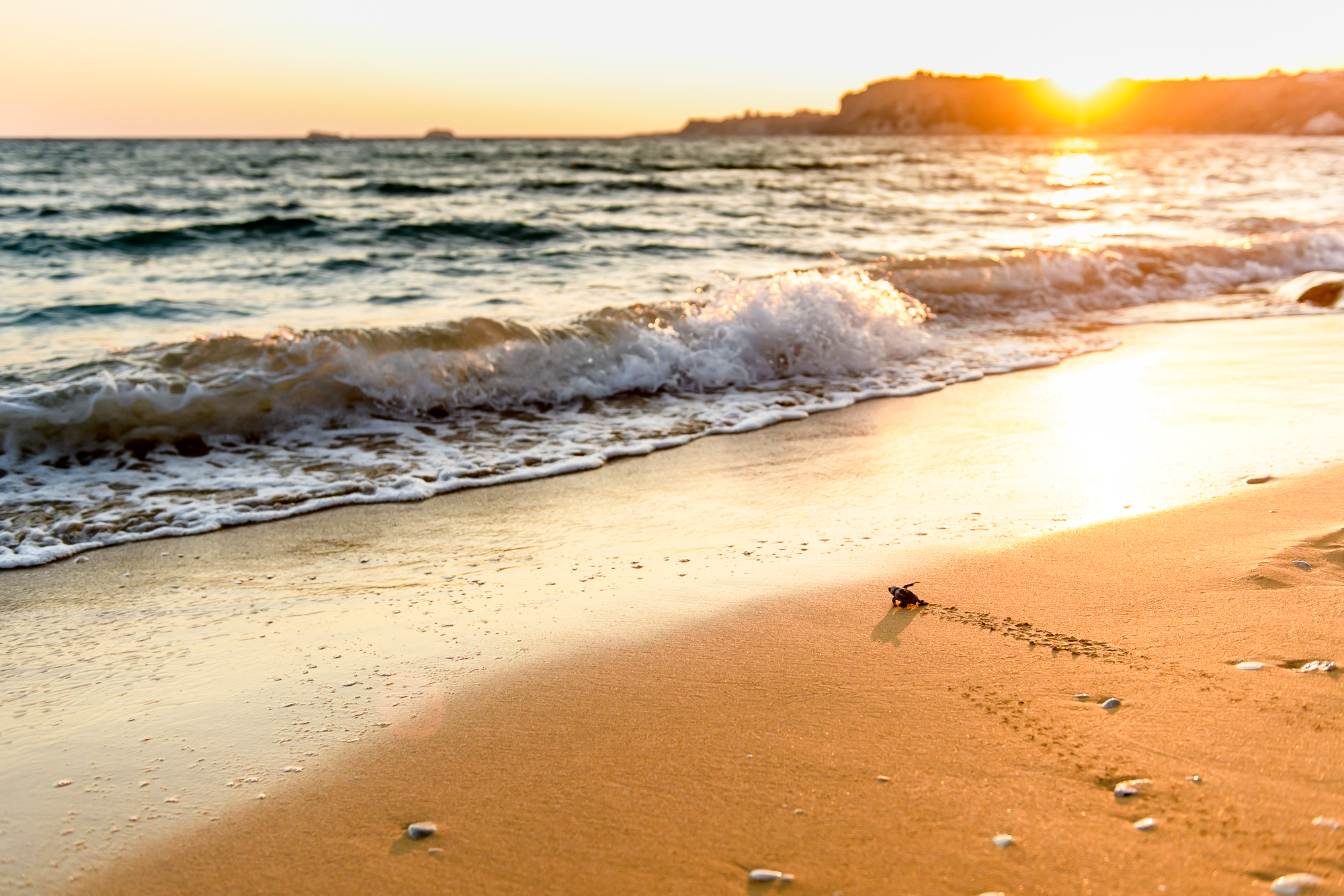
Most hatchlings emerge at night under the cover of darkness, scrambling instinctively towards the sea. By morning, the tiny tracks left across the sand are often the only evidence of the extraordinary event that unfolded overnight.
Occasionally, however, hatchlings are still emerging at dawn and I have been lucky enough to witness this a few times. It is an unforgettable sight.
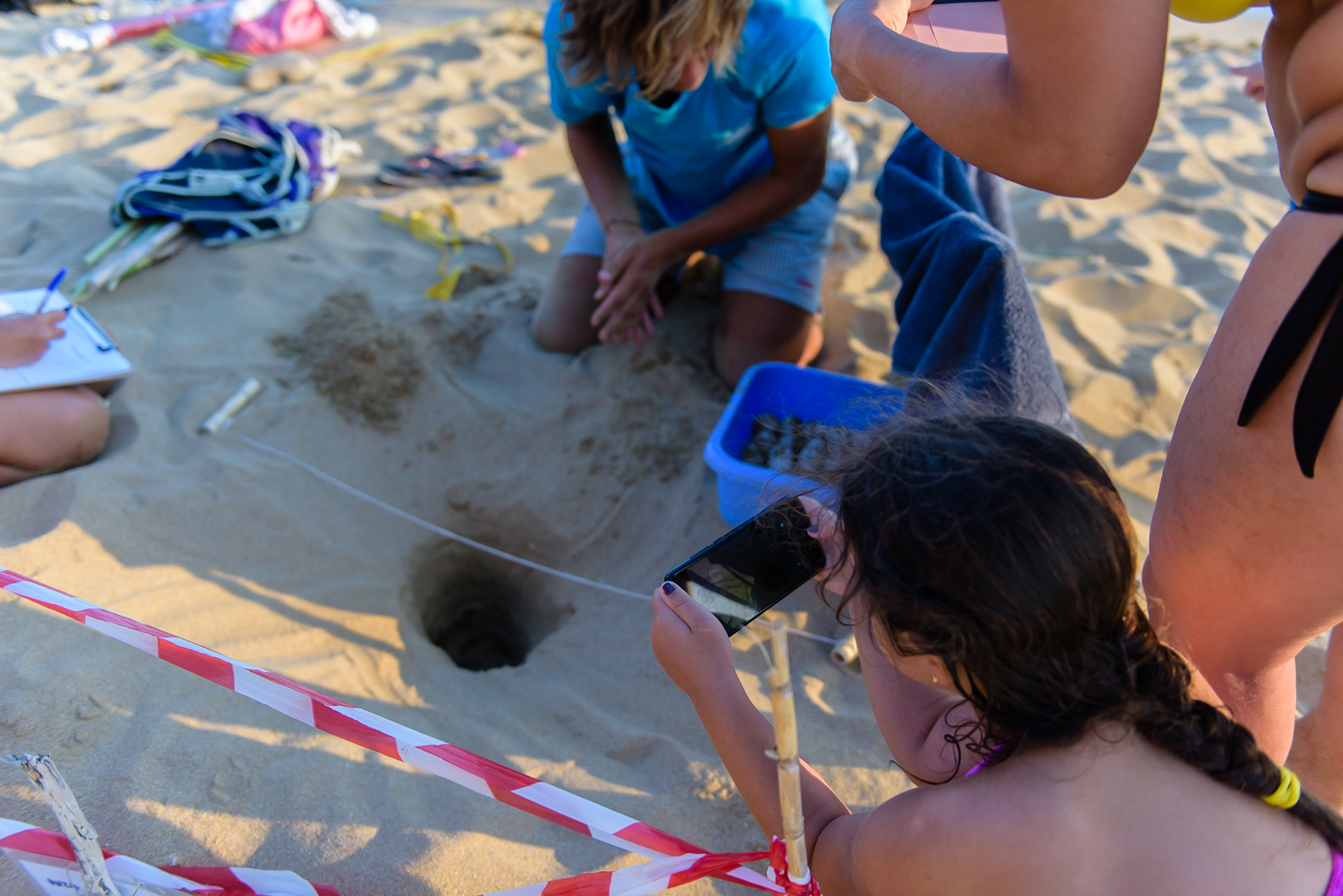
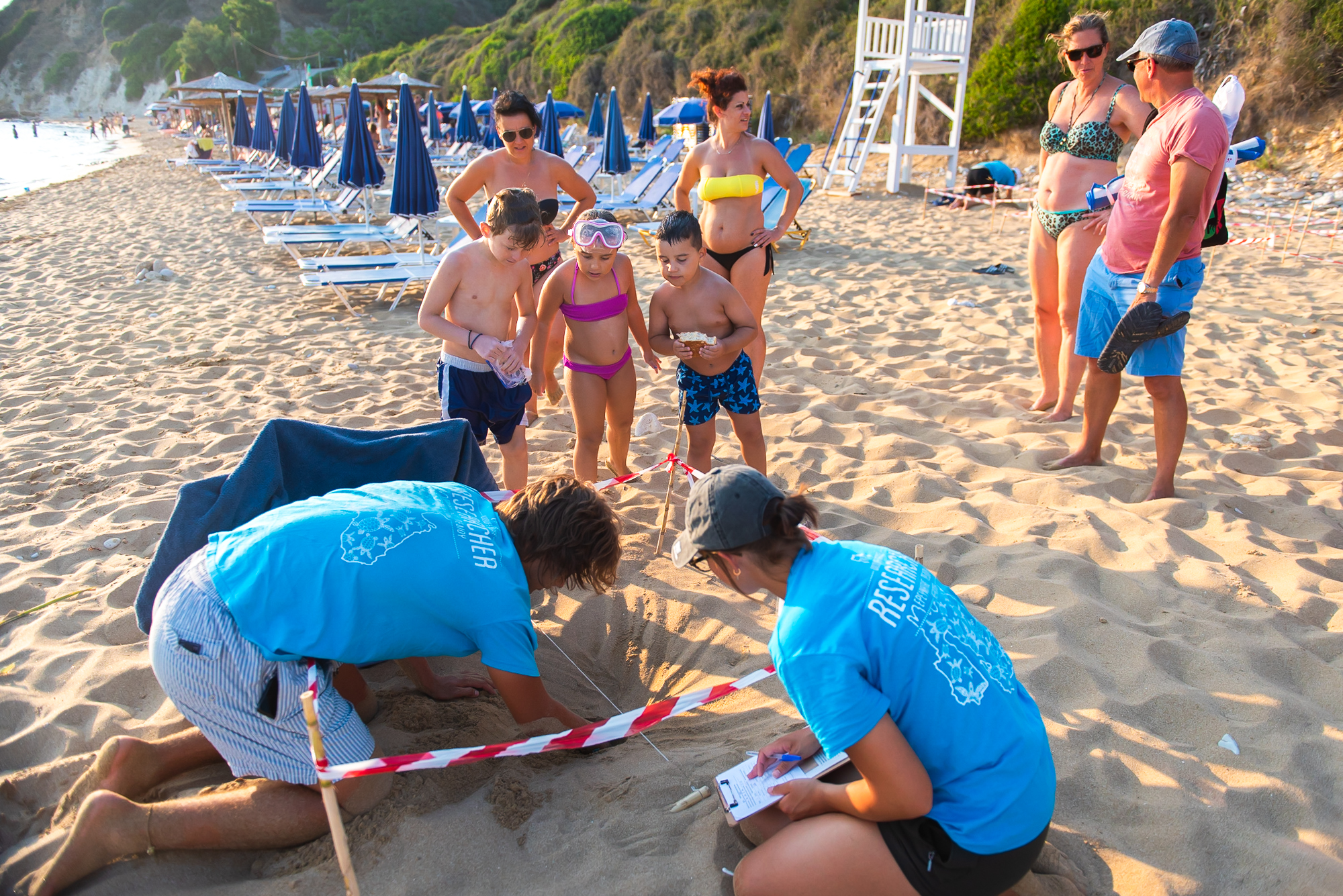
Several days after a nest hatches, Wildlife Sense carefully excavates it to assess its success. By counting hatched and unhatched eggs, researchers can better understand hatchling survival rates and the threats facing turtles on Kefalonia’s beaches.
These excavations are also one of the best opportunities for visitors to occasionally see late-emerging hatchlings still making their way to the surface. If this happens, the hatchlings are allowed to make their own journey down the beach to the sea, preserving the vital imprinting process.
Wildlife Sense often publishes excavation schedules on social media and attending one can be a genuine highlight for wildlife lovers visiting Kefalonia.
FAQ
Loggerhead turtles in Kefalonia
- When is the best time of year to see turtles in Kefalonia?
- Adult turtles can be seen in Argostoli Harbour from spring through autumn, with peak activity (including mating) from April to June. Nesting takes place from mid-May, and hatchlings emerge from late July through September.
- Where is the easiest place to see a loggerhead turtle?
- Argostoli Harbour, particularly the quayside near Alpha Bank, where turtles gather early in the morning as fishermen clean their catch. Early visits — ideally before 9am — give you the best chance.
- Can I see hatchlings emerging from a nest?
- Most hatchlings emerge overnight, but Wildlife Sense holds nest excavations several days after a nest has hatched, which sometimes reveal late-emerging hatchlings. Excavation schedules are usually announced on their social media.
- Which beaches near Korianna House have turtle nests?
- Avithos and Ammes are the closest nesting beaches, both within a short drive. The major nesting beaches of Mounda, Kaminia and Skala on the south coast are also easily reachable for a morning visit.
- How can I watch turtles responsibly?
- Keep a respectful distance, never touch turtles or hatchlings, avoid flash photography, watch out for marked nests on the sand, and never use bright lights on the beach after dark during nesting season.
Tips
Tips for Seeing Turtles Responsibly in Kefalonia
- Visit Argostoli Harbour early in the morning for the best chance of sightings
- Keep a respectful distance from turtles and nests
- Avoid flash photography
- Never touch or interfere with hatchlings
- Be careful around marked nests on beaches
- Support local conservation organisations such as Wildlife Sense
A Special Part of Kefalonia
Given that perhaps only one in a thousand hatchlings survives to adulthood, every turtle sighting feels special.
Whether watching turtles mating in Argostoli Harbour, spotting fresh nesting tracks on an early morning beach walk or witnessing hatchlings scramble towards the Ionian Sea for the first time, Kefalonia offers unforgettable encounters with one of the Mediterranean’s most remarkable creatures.
I feel incredibly lucky to have witnessed every stage of their journey while based at Korianna House, and for anyone with an interest in wildlife, the turtles are one of the island’s greatest treasures.
Stay nearby
Use Korianna House as your base for turtle season.
The harbour in Argostoli, Avithos and other south-coast beaches are all within easy reach, making early-morning sightings and evening beach walks simple from the villa.